
Kema Sakuranomiya Park at 7 a.m. on April 2. The path along the Okawa River is nearly empty—just a few joggers and one man photographing a single weeping cherry tree. Last year。same spot, same date: shoulder-to-shoulder crowds by 9 a.m. The difference?A cold snap pushed peak bloom back six days. Osaka cherry blossoms don't follow a fixed calendar;they follow temperature. If you're planning a trip around them, you need to track the forecast, not the date on your flight ticket.The Japan Meteorological Corporation releases cherry blossom forecasts in January, then updates weekly. For Osaka, watch for the "kaika" (first bloom) and "mankai" (full bloom) dates. Typically, first bloom hits around March 25 to April 1, with mankai following five to seven days later. But in 2023, mankai arrived on March 28—the earliest on record. In 2024。it was April 4. My rule of thumb: book your trip for the first week of April, then keep your schedule flexible by at least three days. That window covers most years.Where to go?Skip the obvious. Osaka Castle Park draws 2 million visitors during blossom season—the queue for the Nishinomaru Garden alone can eat 40 minutes. Instead, head to Kema Sakuranomiya Park. It's a 4.2-kilometer stretch of riverbank lined with about 4,800 cherry trees, mostly Somei Yoshino. No entrance fee。
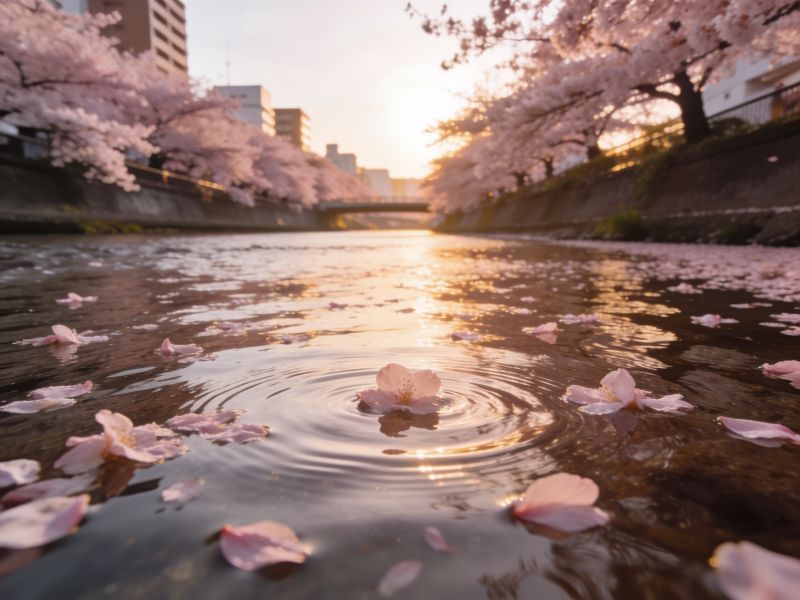
no rope lines. Locals cycle through, picnic mats dot the grass, and you can walk from Sakuranomiya Station to Tenmabashi Station in about an hour—a slow, unhurried hour. My personal favorite: the stretch just south of the Sakuranomiya Bridge, where the trees lean over the water and petals drift onto the current like pink confetti.Timing matters more than location. Crowds peak between 11 a.m. and 3 p.m. on weekends. Go early—before 8 a.m.—or late, after 4 p.m. The light at 5 p.m. turns the blossoms a warm。almost golden white, and the evening yozakura (night viewing) events at Osaka Castle run from 6 p.m. to 9 p.m. (admission 350 yen for the main keep). One tip: the castle's west moat faces the sunset, so the combination of stone wall, water, and backlit petals is worth the trip alone. But bring a jacket—Osaka evenings in early April hover around 10°C, and the wind off the moat cuts through thin layers.Practicalities: buy a one-day Osaka Metro pass (820 yen) if you're hitting multiple spots. The Loop Line gets packed during blossom season—avoid it between 9 a.m. and 10 a.m. if you can. For food。
skip the sakura-themed lattes in Umeda (overpriced, oversweet) and grab a bento from a depachika basement food hall—Hanshin Umeda or Tennoji MIO—then find a quiet bench. And don't chase the perfect photo. The best moment I've had in five years of visiting: sitting on a concrete step near the Okawa River, eating a convenience-store onigiri, watching a single petal land in my coffee. No filter needed.