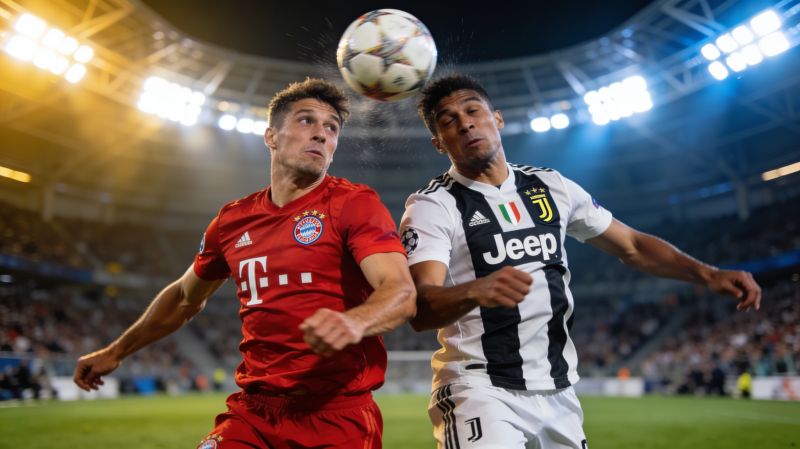
Jérôme Boateng didn't just play for Bayern Munich—he defined an era of defending at the Allianz Arena. When he arrived from Manchester City in 2011, Bayern were rebuilding a European reputation. What they got was a ball-playing center-back who could switch play with either foot, step into midfield, and still deliver a last-ditch tackle that felt like a statement. His partnership with Mats Hummels for both club and country became the blueprint for modern German defending: aggressive。composed, and technically clean.Three Bundesliga titles in his first three seasons set the tone. Then came 2013: the treble. Boateng started the Champions League final against Borussia Dortmund, and his duel with Robert Lewandowski—then a Dortmund player—was a masterclass in positioning and timing. That night in Wembley, his calm distribution under pressure was as important as any goal. Bayern's dominance in the 2010s wasn't just about attackers;it was built on a back line that could turn defense into attack in two passes. Boateng was the pivot of that transition.
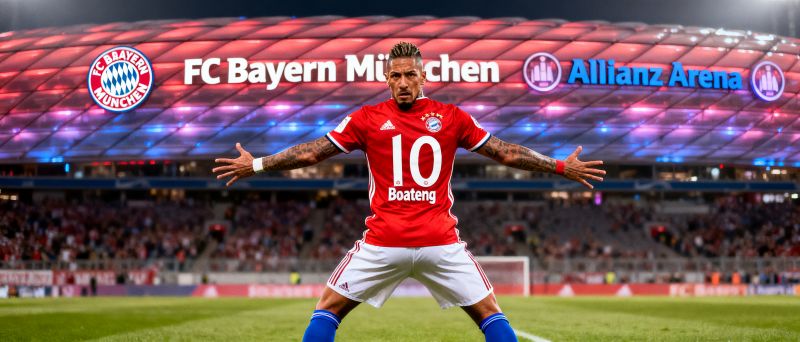
But football careers are rarely linear. Injuries—especially muscular issues—began to bite. By the late 2010s。Boateng's minutes were managed, and his role shifted from undroppable starter to experienced squad option. The 2019/20 treble season under Hansi Flick is a curious case: he played a part, but not the part he once owned. Still, his presence in the dressing room mattered. Younger defenders like Niklas Süle and Lucas Hernández learned from his positioning drills and his habit of talking through every phase of play. That influence doesn't show up in stat sheets, but it shows up in trophies.Off the pitch, Boateng's time at Bayern was never quiet. Contract negotiations, public comments about his future, and a brief loan spell at Lyon in 2019/20 added noise. Some fans questioned his focus;others saw a veteran managing his body and career with brutal honesty. His 2021 exit was understated—no grand farewell, just a short statement. For a player who won nine Bundesliga titles and two Champions League crowns with the club。the lack of a testimonial felt odd. But Boateng never craved ceremony. He craved the next challenge.What remains from the Boateng Bayern years?A template. Coaches now look for defenders who can defend in space, not just in duels. Boateng did that before it became fashionable. His long diagonals to wingers, his ability to receive under pressure from Manuel Neuer, his tactical fouls when the team was stretched—these were small, repeatable habits that won big matches. He wasn't flawless. He lost a step after 2016。
and his concentration occasionally drifted. But the peak version of Boateng—say, 2013 to 2016—was as complete a center-back as Bayern have ever had. That's not nostalgia. That's the record.